
Drug Catalog - Product Detail
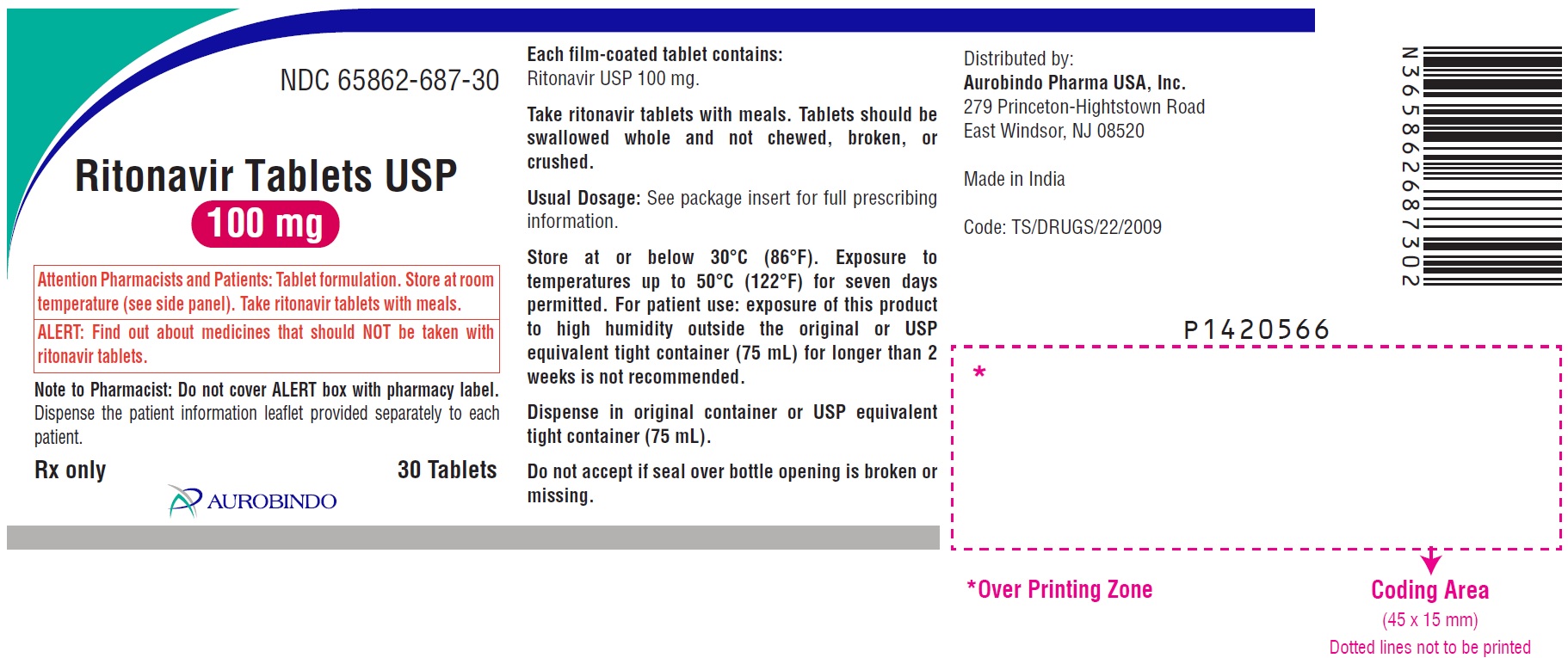
RITONAVIR 100MG TAB 30
| NDC | Mfr | Size | Str | Form |
|---|---|---|---|---|
| 65862-0687-30 | AUROBINDO PHARMA | 30 | 100MG | NA |
PACKAGE FILES
Generic Name
RITONAVIR
Substance Name
RITONAVIR
Product Type
HUMAN PRESCRIPTION DRUG
Route
ORAL
Application Number
ANDA206614
Description
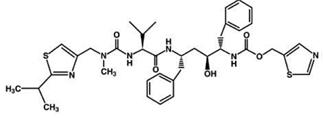
11 DESCRIPTION Ritonavir is an inhibitor of HIV protease with activity against the Human Immunodeficiency Virus (HIV). Ritonavir is chemically designated as 10-Hydroxy-2-methyl-5-(1-methylethyl)-1-[2-(1-methylethyl)-4-thiazolyl]-3,6-dioxo-8,11-bis(phenylmethyl)-2,4,7,12-tetraazatridecan-13-oic acid, 5-thiazolylmethyl ester, [5S-(5R*,8R*,10R*,11R*)]. Its molecular formula is C 37 H 48 N 6 O 5 S 2 , and its molecular weight is 720.95. Ritonavir has the following structural formula: Ritonavir USP is a white to light-tan, crystalline powder. Ritonavir has a bitter metallic taste. It is freely soluble in methanol and ethanol, soluble in isopropanol and practically insoluble in water. Ritonavir tablets USP are available for oral administration in a strength of 100 mg ritonavir with the following inactive ingredients: copovidone, corn starch, dibasic calcium phosphate anhydrous, dibasic calcium phosphate dihydrate, hypromellose, mannitol, microcrystalline cellulose, polyethylene glycol, polysorbate, powdered cellulose, silicified microcrystalline cellulose, sodium stearyl fumarate, sorbitan monolaurate, talc, and titanium dioxide. chemical structure
How Supplied
16 HOW SUPPLIED/STORAGE AND HANDLING Ritonavir Tablets USP, 100 mg are white to off-white, film-coated, ovaloid tablets, debossed with ‘Z’ on one side and ‘24’ on other side. Bottles of 30 NDC 65862-687-30 Bottles of 100 NDC 65862-687-01 Bottles of 500 NDC 65862-687-05 Bottles of 1,000 NDC 65862-687-99 Recommended Storage Store at or below 30°C (86°F). Exposure to temperatures up to 50°C (122°F) for seven days permitted. Dispense in original container or USP equivalent tight container (75 mL, 200 mL, 1300 mL and 2000 mL). For patient use: exposure of this product to high humidity outside the original or USP equivalent tight container (75 mL, 200 mL, 1300 mL and 2000 mL) for longer than 2 weeks is not recommended.
Indications & Usage
1 INDICATIONS AND USAGE Ritonavir tablets are indicated in combination with other antiretroviral agents for the treatment of HIV-1 infection. Ritonavir tablets are HIV protease inhibitors indicated in combination with other antiretroviral agents for the treatment of HIV-1 infection ( 1 )
Dosage and Administration
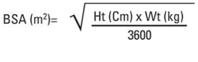
2 DOSAGE AND ADMINISTRATION Adult patients: 600 mg twice-day with meals ( 2.3 ) Pediatrics patients: The recommended twice daily dose for children greater than one month of age is based on body surface area and should not exceed 600 mg twice daily with meals ( 2.4 ) Ritonavir oral solution should not be administered to neonates before a postmenstrual age (first day of the mother’s last menstrual period to birth plus the time elapsed after birth) of 44 weeks has been attained ( 2.4 , 5.2 ) Ritonavir oral powder can only be used for dosing increments of 100 mg ( 2.4 ) Dose modification for ritonavir tablet is necessary when used with other protease inhibitors ( 2.6 ) 2.1 General Administration Recommendations Ritonavir tablets must be used in combination with other antiretroviral agents. Ritonavir tablets are administered orally. Ritonavir tablets should be swallowed whole, and not chewed, broken or crushed. Take ritonavir tablets with meals. General Dosing Guidelines Patients who take the 600 mg twice daily soft gel capsule ritonavir dose may experience more gastrointestinal side effects such as nausea, vomiting, abdominal pain or diarrhea when switching from the soft gel capsule to the tablet formulation because of greater maximum plasma concentration (C max ) achieved with the tablet formulation relative to the soft gel capsule [see Clinical Pharmacology (12.3) ] . Patients should also be aware that these adverse events (gastrointestinal or paresthesias) may diminish as therapy is continued. 2.3 Dosage Recommendations in Adults Recommended Dosage for Treatment of HIV-1: The recommended dosage of ritonavir is 600 mg twice daily by mouth to be taken with meals. Use of a dose titration schedule may help to reduce treatment-emergent adverse events while maintaining appropriate ritonavir plasma levels. Ritonavir tablets should be started at no less than 300 mg twice daily and increased at 2 to 3 day intervals by 100 mg twice daily. The maximum dose of 600 mg twice daily should not be exceeded upon completion of the titration [see Dosage and Administration (2.6) ] . Pregnant Women Ritonavir oral solution is not recommended during pregnancy due to its ethanol content. Ritonavir oral solution contains the excipients ethanol and propylene glycol [see Use in Specific Populations (8.1) ] . 2.4 Dosage Recommendations in Pediatric Patients Ritonavir tablets must be used in combination with other antiretroviral agents [see Dosage and Administration (2) ] . The recommended dosage of ritonavir tablets in pediatric patients older than 1 month is 350 to 400 mg per m 2 twice daily by mouth to be taken with meals and should not exceed 600 mg twice daily. Ritonavir tablets should be started at 250 mg per m 2 twice daily and increased at 2 to 3 day intervals by 50 mg per m 2 twice daily. If patients do not tolerate 400 mg per m 2 twice daily due to adverse events, the highest tolerated dose may be used for maintenance therapy in combination with other antiretroviral agents, however, alternative therapy should be considered [see Dosage and Administration (2.6) ] . Pediatric Dosage Guidelines for Oral Solution Ritonavir oral solution should not be administered to neonates before a postmenstrual age (first day of the mother’s last menstrual period to birth plus the time elapsed after birth) of 44 weeks has been attained [see Warnings and Precautions (5.2) ]. Ritonavir oral solution contains the excipients ethanol and propylene glycol. Special attention should be given to accurate calculation of the dose of ritonavir oral solution, transcription of the medication order, dispensing information and dosing instructions to minimize the risk for medication errors, and overdose. This is especially important for young children. Total amounts of ethanol and propylene glycol from all medicines that are to be given to pediatric patients 1 to 6 months of age should be taken into account in order to avoid toxicity from these excipients [see Warnings and Precautions (5.2) and Overdosage (10) ]. When possible, dose should be administered using a calibrated dosing syringe. Table 1. Pediatric Dosage Guidelines for Oral Solution * Body Surface Area (m 2 ) Twice Daily Dose 250 mg per m 2 Twice Daily Dose 300 mg per m 2 Twice Daily Dose 350 mg per m 2 Twice Daily Dose 400 mg per m 2 0.20 0.6 mL (50 mg) 0.75 mL (60 mg) 0.9 mL (70 mg) 1 mL (80 mg) 0.25 0.8 mL (62.5 mg) 0.9 mL (75 mg) 1.1 mL (87.5 mg) 1.25 mL (100 mg) 0.50 1.6 mL (125 mg) 1.9 mL (150 mg) 2.2 mL (175 mg) 2.5 mL (200 mg) 0.75 2.3 mL (187.5 mg) 2.8 mL (225 mg) 3.3 mL (262.5 mg) 3.75 mL (300 mg) 1.00 3.1 mL (250 mg) 3.75 mL (300 mg) 4.4 mL (350 mg) 5 mL (400 mg) 1.25 3.9 mL (312.5 mg) 4.7 mL (375 mg) 5.5 mL (437.5 mg) 6.25 mL (500 mg) 1.50 4.7 mL (375 mg) 5.6 mL (450 mg) 6.6 mL (525 mg) 7.5 mL (600 mg) *The concentration of the oral solution is 80 mg per mL. Body surface area (BSA) can be calculated as follows 1 : Pediatric Dosage Guidelines for Oral Powder Ritonavir oral powder should be used only for dosing increments of 100 mg. Ritonavir powder should not be used for doses less than 100 mg or for incremental doses between 100 mg intervals. Ritonavir oral solution is the preferred formulation for patients requiring doses less than 100 mg or incremental doses between 100 mg intervals. Figure1 2.6 Dose Modification due to Drug Interaction Dose reduction of ritonavir tablet is necessary when used with other protease inhibitors: atazanavir, darunavir, fosamprenavir, saquinavir, and tipranavir. Prescribers should consult the full prescribing information and clinical study information of these protease inhibitors if they are co-administered with a reduced dose of ritonavir [see Warnings and Precautions (5.1) , and Drug Interactions (7) ].