
Drug Catalog - Product Detail
BUPRENORPHINE HCL SL TAB 8MG 30CT (CIII)
| NDC | Mfr | Size | Str | Form |
|---|---|---|---|---|
| 42858-0502-03 | RHODES PHARMACEUTICAL | 30 | 8MG | TABLET |
Generic Name
Substance Name
Product Type
Route
Application Number
Description
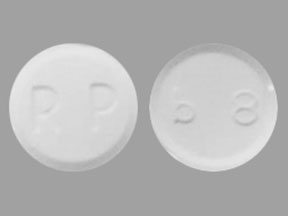
11 DESCRIPTION Buprenorphine Sublingual Tablets are supplied as white to off white, round flat-faced beveled edged tablets debossed with "RP" on one side and an alphanumeric word identifying product and strength on the other side. They contain buprenorphine HCl, a partial agonist at the mu-opioid receptor, and are available in two dosage strengths, 2 mg buprenorphine and 8 mg buprenorphine (as the free base, equivalent to 2.16 mg buprenorphine hydrochloride USP and 8.64 mg buprenorphine hydrochloride USP, respectively). Each tablet also contains lactose monohydrate, povidone K29/32, anhydrous citric acid, trisodium citrate dihydrate, corn starch, mannitol, crospovidone, and magnesium stearate. Chemically, buprenorphine HCl is (2S)-2-[17-Cyclopropylmethyl-4,5α-epoxy-3-hydroxy-6-methoxy- 6α,14-ethano-14α-morphinan-7α-yl]-3,3-dimethylbutan-2-ol hydrochloride. It has the following chemical structure: Buprenorphine HCl has the molecular formula C 29 H 41 NO 4 ∙ HCl and the molecular weight is 504.10. It is a white or off-white crystalline powder, sparingly soluble in water, freely soluble in methanol, soluble in alcohol, and practically insoluble in cyclohexane. Chemical Structure
How Supplied
16 HOW SUPPLIED/STORAGE AND HANDLING Buprenorphine Sublingual Tablets are available in the following strengths: 2 mg – White to off-white, round flat-faced beveled edged tablet debossed with "RP" on one side and "b2" on the other side (content expressed in terms of free base, equivalent to 2.16 mg buprenorphine hydrochloride USP). NDC 42858-501-03 30 tablets per bottle 8 mg – White to off-white, round flat-faced beveled edged tablet debossed with "RP" on one side and "b8" on the other side (content expressed in terms of free base, equivalent to 8.64 mg buprenorphine hydrochloride USP). NDC 42858-502-03 30 tablets per bottle Store at 20° to 25°C (68° to 77°F) [see USP Controlled Room Temperature]. Store Buprenorphine Sublingual Tablets securely and dispose of properly [see Patient Counseling Information (17) ].
Indications & Usage
1 INDICATIONS AND USAGE Buprenorphine Sublingual Tablets are indicated for the treatment of opioid dependence and are preferred for induction. Buprenorphine sublingual tablets should be used as part of a complete treatment plan to include counseling and psychosocial support. Buprenorphine sublingual tablets contain buprenorphine, a partial opioid agonist, and are indicated for the treatment of opioid dependence and are preferred for induction. ( 1 ) Buprenorphine sublingual tablets should be used as part of a complete treatment plan that includes counseling and psychosocial support. ( 1 )
Dosage and Administration
2 DOSAGE AND ADMINISTRATION Administer buprenorphine sublingual tablets sublingually as a single daily dose. ( 2.1 ) Strongly consider prescribing naloxone at the time buprenorphine sublingual tablets are initiated or renewed because patients being treated for opioid use disorder have the potential for relapse, putting them at risk for opioid overdose. ( 2.2 ) To avoid precipitating withdrawal, induction with buprenorphine sublingual tablets should be undertaken when objective and clear signs of withdrawal are evident. ( 2.3 ) Buprenorphine and naloxone sublingual film or buprenorphine and naloxone sublingual tablets are generally initiated after two days of buprenorphine sublingual tablet titration. ( 2.4 ) Administer buprenorphine sublingual tablets as directed in the Full Prescribing Information. ( 2.3 , 2.4 , 2.5 ) Buprenorphine sublingual tablets must be administered whole. Do not cut, chew, or swallow buprenorphine sublingual tablets ( 2.5 ). When discontinuing treatment, gradually taper to avoid signs and symptoms of withdrawal. ( 2.9 ) 2.1 Important Dosage and Administration Instructions Buprenorphine sublingual tablets are administered sublingually as a single daily dose. Buprenorphine sublingual tablets do not contain naloxone and are preferred for use only during induction. Following induction, buprenorphine and naloxone sublingual film or buprenorphine and naloxone sublingual tablets are preferred due to the presence of naloxone when clinical use includes unsupervised administration. The use of buprenorphine sublingual tablets for unsupervised administration should be limited to those patients who cannot tolerate buprenorphine and naloxone sublingual film or buprenorphine and naloxone sublingual tablet; for example, those patients who have been shown to be hypersensitive to naloxone. Medication should be prescribed in consideration of the frequency of visits. Provision of multiple refills is not advised early in treatment or without appropriate patient follow-up visits. 2.2 Patient Access to Naloxone for the Emergency Treatment of Opioid Overdose Discuss the availability of naloxone for the emergency treatment of opioid overdose with the patient and caregiver. Because patients being treated for opioid use disorder have the potential for relapse, putting them at risk for opioid overdose, strongly consider prescribing naloxone for the emergency treatment of opioid overdose, both when initiating and renewing treatment with buprenorphine sublingual tablets. Also consider prescribing naloxone if the patient has household members (including children) or other close contacts at risk for accidental ingestion or opioid overdose [see Warnings and Precautions (5.2) ]. Advise patients and caregivers that naloxone may also be administered for a known or suspected overdose with buprenorphine sublingual tablets itself. Higher than normal doses and repeated administration of naloxone may be necessary due to the long duration of action of buprenorphine sublingual tablets and its affinity for the mu-opioid receptor [see Overdosage (10) ] . Inform patients and caregivers of their options for obtaining naloxone as permitted by individual state naloxone dispensing and prescribing requirements or guidelines (e.g., by prescription, directly from a pharmacist, or as part of a community-based program) [see Patient Counseling Information (17) ]. 2.3 Induction Prior to induction, consideration should be given to the type of opioid dependence (i.e., long- or short-acting opioid products), the time since last opioid use, and the degree or level of opioid dependence. Patients dependent on heroin or other short-acting opioid products: At treatment initiation, the first dose of buprenorphine sublingual tablets should be administered only when objective and clear signs of moderate opioid withdrawal appear, and not less than 4 hours after the patient last used an opioid. It is recommended that an adequate treatment dose, titrated to clinical effectiveness, should be achieved as rapidly as possible. The dosing on the initial day of treatment may be given in 2 mg to 4 mg increments if preferred. In some studies, gradual induction over several days led to a high rate of drop-out of buprenorphine patients during the induction period. In a one-month study, patients received 8 mg of buprenorphine sublingual tablets on Day 1 and 16 mg buprenorphine sublingual tablets on Day 2. From Day 3 onward, patients received either buprenorphine and naloxone sublingual tablets or buprenorphine sublingual tablets at the same buprenorphine dose as Day 2 based on their assigned treatment. Induction in the studies of buprenorphine solution was accomplished over 3 to 4 days, depending on the target dose. Patients dependent on methadone or other long-acting opioid products: Patients dependent upon methadone or other long-acting opioid products may be more susceptible to precipitated and prolonged withdrawal during induction than those on short-acting opioid products; therefore, the first dose of buprenorphine sublingual tablets should only be administered when objective and clear signs of moderate opioid withdrawal appear, and generally not less than 24 hours after the patient last used a long-acting opioid product. There is little controlled experience with the transfer of methadone-maintained patients to buprenorphine. Available evidence suggests that withdrawal signs and symptoms are possible during induction onto buprenorphine. Withdrawal appears more likely in patients maintained on higher doses of methadone (>30 mg) and when the first buprenorphine dose is administered shortly after the last methadone dose. 2.4 Maintenance Buprenorphine and naloxone sublingual tablets are preferred for maintenance treatment. Where buprenorphine sublingual tablets are used in maintenance in patients who cannot tolerate the presence of naloxone, the dosage of buprenorphine sublingual tablets should be progressively adjusted in increments/decrements of 2 mg or 4 mg buprenorphine to a level that holds the patient in treatment and suppresses opioid withdrawal signs and symptoms. After treatment induction and stabilization, the maintenance dose of buprenorphine sublingual tablets is generally in the range of 4 mg to 24 mg buprenorphine per day depending on the individual patient. The recommended target dosage of buprenorphine sublingual tablets is 16 mg as a single daily dose. Dosages higher than 24 mg have not been demonstrated to provide any clinical advantage. When determining the prescription quantity for unsupervised administration, consider the patient's level of stability, the security of his or her home situation, and other factors likely to affect the ability to manage supplies of take-home medication. There is no maximum recommended duration of maintenance treatment. Patients may require treatment indefinitely and should continue for as long as patients are benefiting and the use of buprenorphine sublingual tablets contributes to the intended treatment goals. 2.5 Method of Administration Buprenorphine sublingual tablets must be administered whole. Do not cut, chew, or swallow buprenorphine sublingual tablets. Advise patients not to eat or drink anything until the tablet is completely dissolved. Buprenorphine sublingual tablet should be placed under the tongue until it is dissolved. For doses requiring the use of more than two tablets, patients are advised to either place all the tablets at once or alternatively (if they cannot fit in more than two tablets comfortably), place two tablets at a time under the tongue. Either way, the patients should continue to hold the tablets under the tongue until they dissolve; swallowing the tablets reduces the bioavailability of the drug. To ensure consistency in bioavailability, patients should follow the same manner of dosing with continued use of the product. Proper administration technique should be demonstrated to the patient. Advise patients to do the following after the product has completely dissolved in the oral mucosa: take a sip of water, swish gently around the teeth and gums, and swallow. Advise patients to wait for at least one hour after taking buprenorphine sublingual tablets before brushing teeth [see Warnings and Precautions (5.13) , Postmarketing Experience (6.2) , Information for Patients (17) , and the Medication Guide ]. 2.6 Clinical Supervision Treatment should be initiated with supervised administration, progressing to unsupervised administration as the patient's clinical stability permits. The use of buprenorphine sublingual tablets for unsupervised administration should be limited to those patients who cannot tolerate buprenorphine and naloxone sublingual tablets, for example those patients with known hypersensitivity to naloxone. Buprenorphine and naloxone sublingual tablets, and buprenorphine sublingual tablets are both subject to diversion and abuse. When determining the prescription quantity for unsupervised administration, consider the patient's level of stability, the security of his or her home situation, and other factors likely to affect the ability of the patient to manage supplies of take-home medication. Ideally, patients should be seen at reasonable intervals (e.g., at least weekly during the first month of treatment) based upon the individual circumstances of the patient. Medication should be prescribed in consideration of the frequency of visits. Provision of multiple refills is not advised early in treatment or without appropriate patient follow-up visits. Periodic assessment is necessary to determine compliance with the dosing regimen, effectiveness of the treatment plan, and overall patient progress. Once a stable dosage has been achieved and patient assessment (e.g., urine drug screening) does not indicate illicit drug use, less frequent follow-up visits may be appropriate. A once-monthly visit schedule may be reasonable for patients on a stable dosage of medication who are making progress toward their treatment objectives. Continuation or modification of pharmacotherapy should be based on the healthcare provider's evaluation of treatment outcomes and objectives such as: 1. Absence of medication toxicity. 2. Absence of medical or behavioral adverse effects. 3. Responsible handling of medications by the patient. 4. Patient's compliance with all elements of the treatment plan (including recovery-oriented activities, psychotherapy, and/or other psychosocial modalities). 5. Abstinence from illicit drug use (including problematic alcohol and/or benzodiazepine use). If treatment goals are not being achieved, the healthcare provider should re-evaluate the appropriateness of continuing the current treatment. 2.7 Patients with Severe Hepatic Impairment Consider reducing the starting and titration incremental dose by half and monitor for signs and symptoms of toxicity or overdose caused by increased levels of buprenorphine. 2.8 Unstable Patients Healthcare providers will need to decide when they cannot appropriately provide further management for particular patients. For example, some patients may be abusing or dependent on various drugs, or unresponsive to psychosocial intervention such that the healthcare provider does not feel that he/she has the expertise to manage the patient. In such cases, the healthcare provider may want to assess whether to refer the patient to a specialist or more intensive behavioral treatment environment. Decisions should be based on a treatment plan established and agreed upon with the patient at the beginning of treatment. Patients who continue to misuse, abuse, or divert buprenorphine products or other opioids should be provided with, or referred to, more intensive and structured treatment. 2.9 Discontinuing Treatment The decision to discontinue therapy with buprenorphine and naloxone sublingual tablets or buprenorphine sublingual tablets after a period of maintenance should be made as part of a comprehensive treatment plan. Advise patients of the potential to relapse to illicit drug use following discontinuation of opioid agonist/partial agonist medication-assisted treatment. Taper patients to reduce the occurrence of withdrawal signs and symptoms [see Warnings and Precautions (5.7) ].